Texas Solar Panel Installation
Axia Solar takes great pride in providing Texas residents with effortless solar solutions that support energy independence and power up lifestyles. Learn about the process of solar panel installation in Texas to determine whether it aligns with your energy requirements.
Axia x Chariot Energy: The Best Solar Buyback Plan in Texas
Axia Solar has partnered with Chariot Energy to bring Texans a special 5-year solar buyback plan. When you go solar in Texas with Axia, Chariot Energy will buy back the excess energy generated by your solar system at one of the most competitive rates. You’ll even receive the same rate for the energy you pull from the power grid. This means no more shopping around for an energy provider to find the best yearly rate. Only Axia customers can take advantage of this exclusive plan!

Locked-in Electricity Rates
Our exclusive 5-year fixed plan returns excess energy at the same competitive price per kWh as you pay for electricity.

Unlimited Credits
Pay your electricity bill with the unlimited credits you receive for the excess energy your system produces.

Maximize Solar Investment
Maximize the return on your solar investment by reducing overall electricity expenses when you bundle Axia Solar and Chariot’s buyback plan.
Why Axia and Chariot Energy?
Axia and Chariot aren’t just partners; we’re both members of the Hanwha family of companies. That means we’re uniquely positioned to deliver affordable home energy for the long term.
Energy Independence
By storing the excess energy your solar panels generate, you can become less reliant on traditional grid power. You can use this extra energy during periods of low sunlight, giving you the autonomy to power your home with your own stored resources. As a result, you have more control over your energy usage and less dependence on external sources.
All Your Energy Under One Roof
By working with Axia by Qcells and Chariot Energy, you are ensuring that all of your home energy needs are being met by a single family of companies. That means a simpler and more affordable energy-buying experience for decades to come!
Add Battery Backup to Your Solar Purchase for Even More Control
Learn more about how solar with battery backup can help protect you from outages and support energy independence.
Solar in Texas
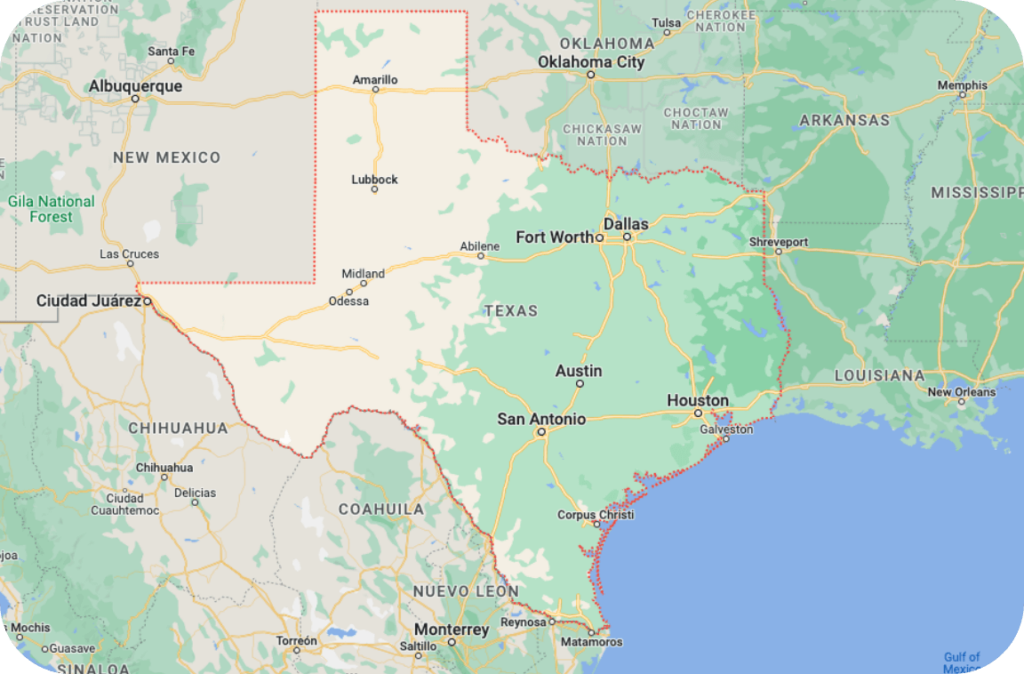
The Lone Star State is known for being a top producer of oil and gas, but it’s also a rising star in the solar energy industry. The state’s vast land area and abundant sunshine make it an ideal location for solar energy development. Over the past decade, Texas has experienced a remarkable surge in solar energy production, with a rapid increase in the number of installed solar panels and solar farms.
According to the Solar Energy Industries Association (SEIA), Texas ranks first in the United States for solar potential, with enough solar energy resources to power the entire nation. Additionally:
The state currently has over 16,000 megawatts (MW) of installed solar capacity, which can power more than 1,855,800 homes.
The increasing trend toward solar panels in Texas has also generated job opportunities, with the state’s solar market value sitting at a whopping $19.1 billion.
As of late 2022, the solar industry in Texas had more than 600 solar companies and employed over 10,000 people, making it one of the largest employers in the renewable energy sector.
Texas is also home to some of the largest solar projects in the country, such as the 690 MW solar farm in Pecos County, which is currently the largest solar project in the United States.
As solar energy becomes increasingly popular, Texas is poised to lead the nation in renewable energy development and will likely continue breaking records for solar energy production and capacity.
Enjoy Energy Independence and the Financial Benefits of Solar
Here are several ways joining the solar movement can benefit your life:

Lower Electricity Costs
Electricity rates are unpredictable and can spike when you least expect them to. Installing home solar panels in Texas can help you combat the unpredictable fluctuations in electricity costs and save money on energy bills.
Peace of Mind During Power Outages
Having a solar system complete with a solar backup battery provides peace of mind during power outages by storing excess solar energy produced during the day. With a solar battery, you can continue to power your home with renewable energy even when the grid is down.


Increased Property Value
Having a solar panel makes your house a more attractive prospect to home buyers. Much like finishing a basement or renovating a kitchen, installing a solar panel increases the value of your home! In general, California home solar panels can raise home values by 2% to 4%, depending on where you live and the size of the system.
Switch to a Non-Polluting Energy Source
Solar energy is a renewable energy source that generates electricity without producing harmful emissions or pollution. By adopting solar energy, you’re helping to keep Texas’ air and water cleaner and contributing to a healthier environment.
Texas Solar Incentives and Rebates
Texas offers several solar incentives and rebates to help make the transition to solar more affordable for homeowners. The most significant incentive is the federal solar tax credit, which offers a credit of up to 30% of the cost of a solar system until 2032. At that point, it will decrease slightly until it expires in 2034.
In addition, Texas offers a property tax exemption for solar systems, which can help to reduce the property taxes paid on a home or business. Some utility companies in Texas also offer rebates or other incentives for installing solar, so it’s worth checking with your local utility to see what options are available.
Ultimately, these incentives and rebates can help to offset the cost of going solar in Texas and make it a more financially attractive option for homeowners and businesses.
Why Choose Axia for Your Solar Installation?
At Axia Solar, our objective is to make solar energy accessible to everyone with effortless solar panel systems that enable energy independence. Our full range of solar services ensures turn-key solar solutions that allow you to start experiencing all the benefits of solar in Texas as soon as possible. Here are some additional reasons people choose to work with us.
Reduced Cost
Many people postpone the upgrade to solar due to cost concerns. We aim to provide solar options that can suit most budgets. Request a custom estimate from one of our friendly solar advisors to find out how affordable it can be to electrify your life.
No-Hassle service
The sales process and paperwork associated with the traditional solar process can be enough to scare anyone away from a solar upgrade. We believe in doing things differently. Our friendly solar team provides a seamless, pressure-free solar process from start to finish.
Streamlined Installation
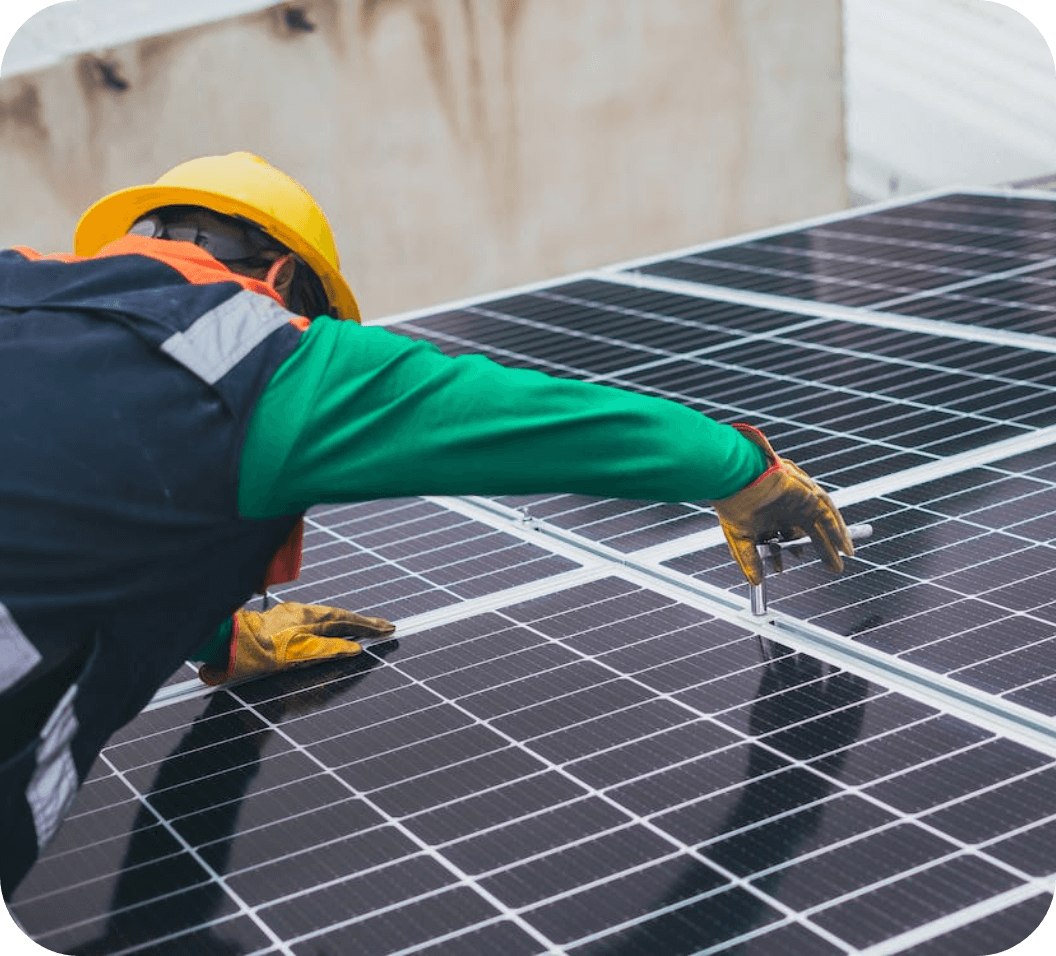
With Axia, your solar process is streamlined using a digital platform that keeps you in the loop and allows you to monitor the progress of the installation. Our technology keeps things moving smoothly, on time, and on budget.
Advanced Designs
Axia’s solar products are backed by Qcells, an industry-leading manufacturer of high-quality solar systems. You can have peace of mind that your system was built to last and comes with a warranty on workmanship and performance.
Chariot Energy Solar Buyback Program
While Texas does not have a uniform net-energy metering policy, Texas customers can take advantage of Chariot Energy’s solar buyback program, which is available to all solar owners. When you sign up for their buyback plan, Chariot credits you for 100% of the excess electricity produced by your panels. Ask an Axia solar advisor about our exclusive rate plan offerings for customers.
Solar Installation FAQ
If you’re considering solar installation in Texas, you likely have questions about the process and what to expect. Here are some of the most frequently asked questions about solar installation.
How does weather affect solar panels in Texas?
Home solar panels in Texas rely on sunlight to generate electricity, meaning weather can impact their performance. In general, solar panels perform best on clear, sunny days when there is plenty of direct sunlight. However, even on cloudy or overcast days, solar panels can still generate some electricity. Rain can actually be beneficial for solar panels, as it helps to wash away dirt and debris that can accumulate on the panels over time.
If you’re concerned about weather conditions impacting your solar panels in Texas, it’s important to work with an experienced solar installer who can help you choose the right system for your specific location and climate.
How does solar protect from blackouts in Texas?
According to the US Department of Energy, Texas experienced the highest rate of weather-related power outages between 2000 and 2021. What’s more, power outages increased significantly over the past decade from the one prior.
One of the main benefits of solar energy is that it can help protect you from blackouts or power outages, as solar systems are designed to include a backup battery, which can store excess solar energy produced during the day for use at night or during periods of low sunlight. When the grid goes down, a solar-powered home with a backup battery can continue to draw on the stored energy, providing you with reliable backup power.
Is solar a good investment?
Solar energy can be a good investment for many homeowners in Texas, as it may help to reduce energy bills and increase the value of your home. Texas experiences more than 300 days of sun each year, which makes it an ideal place to install solar panels. You may also be eligible for state or federal incentives that can help to offset the cost of installing solar in Texas and there are solar plans available that require $0 down.
However, the specific financial benefits of solar in Texas will depend on a number of factors, including the cost of electricity in your area, the amount of sunlight your location receives, and the cost of the solar system itself. Speak with an Axia Solar advisor to request a customized analysis of the costs and benefits of going solar.
How much energy will I get from solar in Texas?
The amount of energy you can expect to get from your solar panels will depend on several factors, including the size of your solar system, the amount of sunlight your location receives, and the efficiency of your solar panels.
In Texas, the amount of sunlight varies depending on your location, with areas in the western and southern parts of the state generally receiving more sunlight than areas in the east. A solar advisor from Axia can help you calculate the amount of energy you can expect to generate based on your specific location and solar system.
Can solar panels work on any roof?
Solar panels can work on most types of roofs. However, the specific installation requirements will vary depending on the type of roof you have. In some cases, a solar installer may need to make modifications to your roof in order to install the solar panels. It’s important to work with an experienced solar installer who can evaluate your roof and determine the best approach for installation.
How long do solar panels last?
Solar panels are designed to last for many years, with most panels having a lifespan of 25-30 years or more. However, the actual lifespan of your home solar panels in Texas will depend on the quality of the panels, the installation process, and how clean they’re kept.
Qcells solar panels used by Axia are backed by a warranty of 25 years on parts and workmanship and 30 years on performance.