How Much Do Solar Panels Cost?
Have you considered switching to solar for your home but are wondering what solar panels cost? Axia Solar aims to take the guesswork out of solar panels so you feel empowered to make the best choice for your home energy needs and can experience the benefits of energy independence.
So, let’s break down how much solar panels cost, what goes into determining the overall price, and how you may be able to save on a home solar system.
Estimating Home Solar Panel Costs
Solar panel costs to energize a home can range from $15,000 to $30,0001 or even $40,000 in a few states, depending on where you live, the size of the system, and how many solar panels you require for your property. To determine if the cost of solar panels and installation will benefit you in the long run, do some research on your current energy use, gather quotes from solar companies in your area, and find out what government incentives may be available to you.
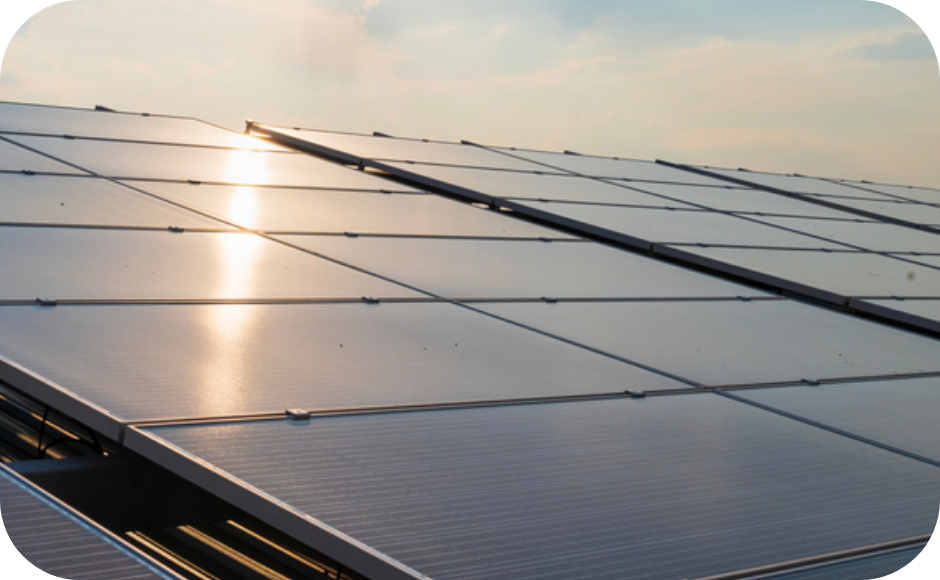
Solar panel costs can range from $15,000 to $40,000.

Review Your Electric Bill
How much energy are you currently using to power your home, and what is your average electric bill? These factors are important to consider as they will directly impact how many solar panels you will want to install. Generally speaking, the higher your electricity bill, the higher your potential savings when you replace grid power with solar power. For that reason, most homeowners aim to install enough solar to cover their total electricity usage for the year, although there are many factors that may ultimately impact that decision.
Estimate and Compare What Residential Solar Panels Cost
Just as you would shop around for the best deal on a large purchase like a car or TV, you should do the same for solar panels. Since the bulk of solar panel costs come from the installation and the panels themselves, those are the prices you’ll want to compare. You’ll also need to consider how many panels your home needs because you may have to pay more for more panels. Use the Axia Solar Calculator to get an estimate of the number of panels you’ll need.
Experts recommend getting between three and five quotes when shopping around for solar panel costs. Then, carefully review all parts of the estimate, including
- If the company uses reputable solar panel brands
- Reviews of the equipment and company
- What solar financing options are available
- Your potential savings
- What tax incentives you may qualify for
All these factors can help you determine how much solar panels cost and if you’re getting a fair and accurate estimate.
Use our Solar Calculator to see what panels for your home would cost
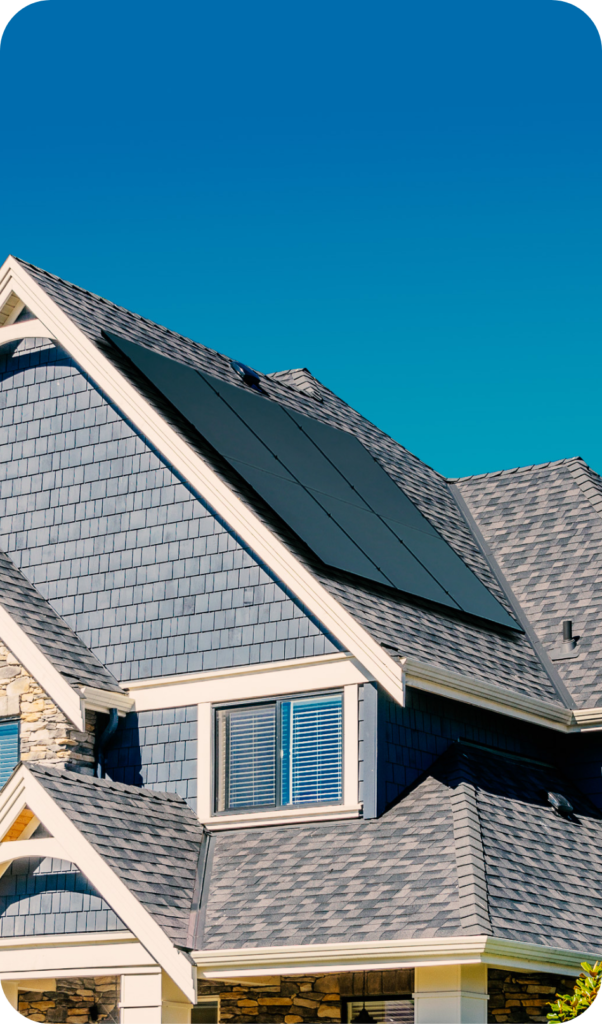
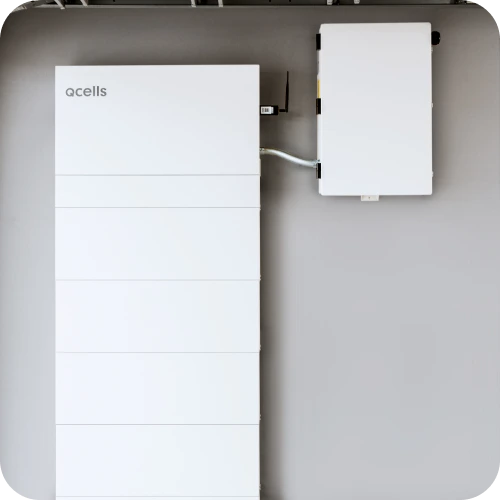
Solar panel costs can range from $15,000 to $40,000.
Adding the Cost of a Solar Battery
Depending on your home energy needs you may also consider adding solar battery storage to your home solar system. Battery storage allows you to store power produced by your solar system for use during peak utility rate period or during a blackout.
The addition of a battery adds benefits to the system but also comes with an additional cost. That additional cost varies but can be estimated at between $5,000 and $15,000 depending on the battery. This is another factor to consider when calculating your solar costs and return on investment.
Get to Know Axia by Qcells
We’re bringing homeowners across America a better way to go solar with complete home energy solutions and a seamless experience every step of the way.
Take Advantage of Government Incentives
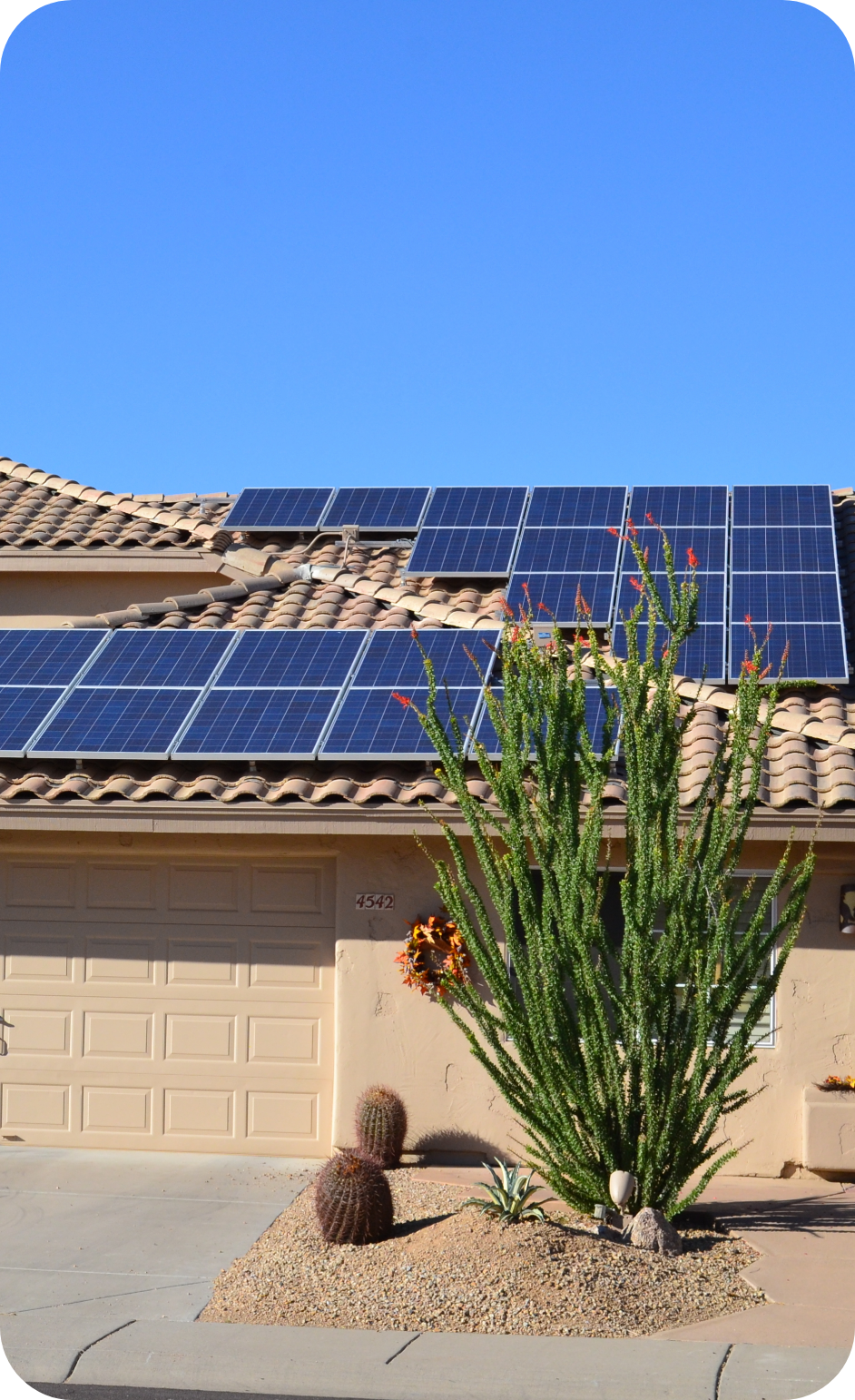
Federal tax credits are available for homeowners who install solar panels on their homes. Additionally, some states have their own incentives to help offset some of the solar panel costs. As you look at the price of a home solar system, consider these incentives to bring down your overall price.
Here are additional resources on the federal and state-level incentives where Axia Operates.
- Federal Solar Incentive Tax Credit
- California Solar Incentives
- Florida Solar Incentives
- Texas Solar Incentives
If you’re unsure about the tax credits or rebates that you qualify for, an expert solar consultant will be able to help you find the right purchase option for your specific situation.

Decide Whether Solar is the Right Choice for Your Home
After reviewing your electric bill, getting solar panel estimates, and considering government tax programs for solar, you’ll need to decide if a solar system is right for your home. Here are a few more factors to consider in that decision.
What Will My Electric Bill Be With Solar?
The goal of most homeowners is to save money with their solar system. However, the average monthly electric bill with solar can vary due to a variety of factors that are important to understand in order to calculate solar savings over time.
How Long Before Solar Panels Pay for Themselves?
It can take between six and 15 years for solar panels to pay for themselves. However, since many factors — like those listed above — can affect the cost of solar panels, no one answer applies to every situation.
Does Solar Increase Home Value?
Installing a solar panel system is considered a home upgrade, just like a kitchen renovation or a bathroom upgrade. This means that in some states, a home’s value could increase by around 4%2 just by adding solar panels.
You can also weigh more intangible benefits that may come with the system such as being protected from power outages with a battery and reducing your carbon footprint. If you determine that you’ll ultimately benefit from making the switch, contact the solar company you want to work with and get started.
Cost of Solar Panels by Type
There are three types of solar panels — monocrystalline, polycrystalline, and thin-film — each with its pros and cons. How much solar solar panels cost is based on their type, quality and where it was produced.
Axia is backed by Qcells, a global leader in solar panel manufacturing with the largest panel assembly of it’s kind in the USA. Qcells is known for its high-quality solar panels that deliver exceptional performance and reliability. Their manufacturing processes adhere to rigorous standards, ensuring the production of efficient and durable solar products.
Our collaboration with Qcells underscores our commitment to providing customers with state-of-the-art solar solutions that support energy independence and contribute to a sustainable future. Our customers can have peace of mind knowing that they are investing in locally produced, top-tier technology.
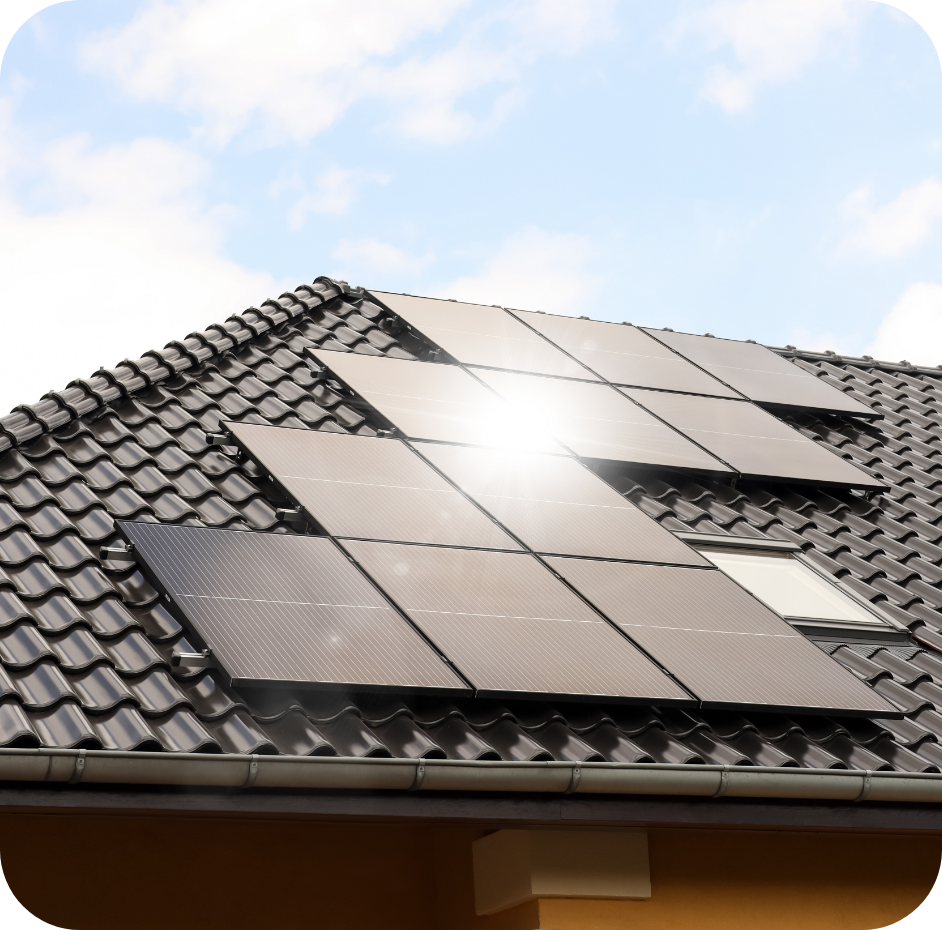
Qcells solar panels are monocrystalline, assembled in the USA and come with up to 25 year warranties depending on the model.
Monocrystalline Solar Panels
Monocrystalline solar panels are the most common and popular option because they are the most energy-efficient panels. However, these solar panels cost more than other options.

Polycrystalline Solar Panels
Polycrystalline solar panels are another common option, though they have a lower efficiency rating than monocrystalline panels.

Thin-Film Solar Panels
Thin-film solar panels are a similar-cost alternative to crystalline panels. They are more efficient in low-light situations, have a lower profile, and can be easier to install.
Factors That Impact What Solar Panels Cost
So, how much do solar panels cost altogether? It depends! Many factors influence the final price of residential solar panels, so you’ll need to consider each point to determine your budget.
You can read more about those factors below or use this helpful guide to estimate total cost for solar installation based on your home’s square footage.

Solar Companies
The solar company you choose for your solar panel installation affects how much the panels cost. The cost of the equipment, installation, and add-ons varies by company, so take time to research providers near you and get a quote from a few of them. You should also seek out solar companies offering panels with the greatest efficiency.
Solar panel efficiency is determined by how they are made and how much sunlight they get. Due to their design, monocrystalline solar panels, like Qcells, are the most efficient option. When determining how much solar panels cost, you’ll need to consider panel efficiency in your budget. You should speak with a solar advisor to help you get the most effective panels at the best price.

Size, Wattage, Roof Pitch, and Number of Panels
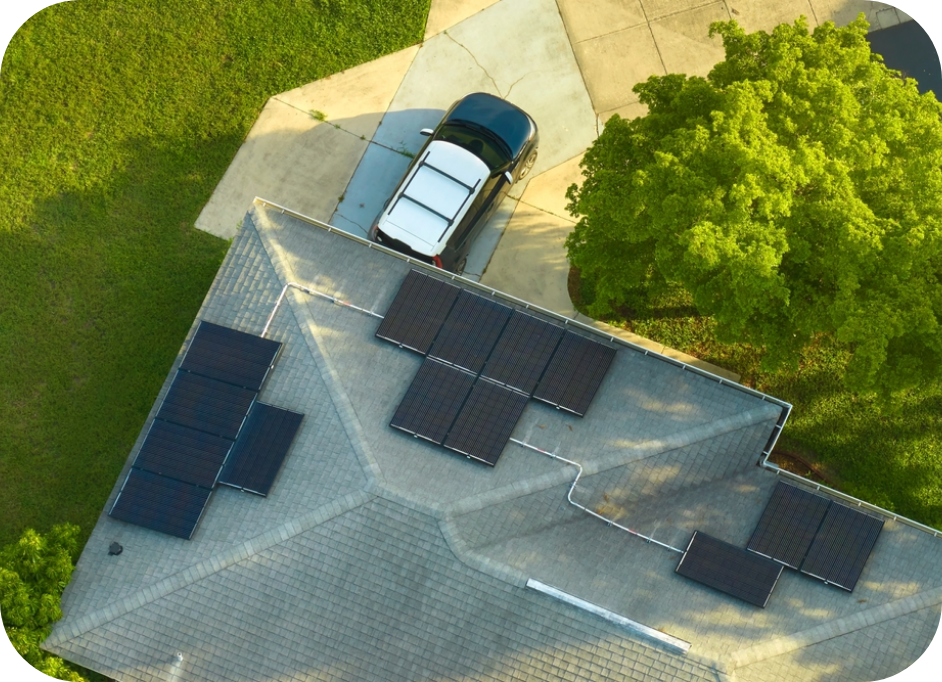
Your energy use and the size of your home determine how many solar panels you need. There are also a range of solar panel sizes and wattages that come at varying costs. The number of panels that you need and their size are the two biggest factors in determining the total cost of the system. The pitch of your home’s roof also plays a role in solar panel costs. If your roof is too steep or has complicated angles, installation becomes challenging, and a solar company may charge more for this.
Knowing how much energy your household uses, how many panels you need, and how much space you have for solar panels, you’ll have a better idea of what you might pay.

Federal Solar Tax Credit
The federal solar tax credit, known as the Clean Energy Credit, is an incentive program that encourages people to switch to solar. Through 2035, homeowners can deduct 30% of their solar installation costs from their taxes, which helps bring down the overall cost of solar panels. Remember that solar panel costs vary by state, so they may be more or less expensive depending on where you live. Additionally, some states, like California, have their own tax incentives that can influence the price.
You can learn more about the federal solar tax credit here or speak with a tax professional for more insight.
Solar costs vary from state to state.
Average Cost of Solar Panels by State
The price of solar panels varies from state to state for a number of reasons. Typically, states that get more sunshine or have more mild weather want people to switch to solar. Other states that get more rain or snow may have fewer incentives and could have lower solar panel costs. You’ll need to get a quote from your state to determine what your solar panel costs might be.
If you are looking for average costs around the country, you can find a complete list of solar power costs by state here. Additionally, solar tax incentives and rebates can vary by state so it’s good to research what may be available to you.
Is There Such a Thing as “No Cost” Solar?
If you have started shopping for solar you’ve likely seen advertisements with the promise of “no cost” solar or solar that is free from the government. These messages can be misleading and consumers should be mindful when exploring options that promise “no cost.”
The reality is that it is common for homeowners to go solar with no upfront cost while financing the solar system through a loan or simply paying for the electricity that it provides through a Power Purchase Agreement.
While there are some limited opportunities to get free solar installations through government programs, those situations are rare. For those looking to make the switch to solar and take advantage of solar savings, the best option is often reach out to a solar provider in your area and explore their solar financing plans. While there is cost associated, these plans are designed to help you save money on your electricity over the long run as you replace grid power with solar electricity produced on your roof.

Ready to Go Solar?
If you’re ready to switch to renewable solar energy, Axia is here to make it possible. We guide you through the entire transition, ensuring you feel informed and empowered through every step of our simple and seamless process.
Get in touch with one of our solar advisors today to discuss solar panel costs, get a custom quote, or begin your solar power installation. We can’t wait to help electrify your life!